
NewStori...First & Foremost A Quality News Outlet!
The Coca-Cola Company launched a bold new marketing campaign aimed squarely at one of the most enduring rivalries in consumer history: its competition with PepsiCo. The campaign marks a strategic effort by Coca-Cola to reclaim—and reinforce—its longstanding dominance in the fast-food and quick-service restaurant (QSR) sector, a battleground that has increasingly become central to the modern “cola wars.”
This latest initiative is more than just advertising; it represents a coordinated push that combines brand positioning, partnerships, and cultural messaging to counter Pepsi’s recent momentum in taste-focused marketing and experiential campaigns. At its core, Coca-Cola’s message is clear: when it comes to pairing beverages with food, Coke remains the undisputed leader.
The Campaign: Reclaiming the “Food Companion” Narrative
Coca-Cola’s 2026 campaign is built around a simple but powerful idea—positioning Coke as the default beverage choice for fast food across a wide range of cuisines and dining experiences.
For the first time, the company has unified a broad coalition of major restaurant partners in a single campaign. These include prominent QSR brands such as:
• Domino’s
• Five Guys
• Wendy’s
• Popeyes
• Sonic Drive-In
• Whataburger
• Wingstop
The campaign spans categories including burgers, pizza, sandwiches, fried chicken, and Asian cuisine, reinforcing Coke’s presence across nearly every major fast-food segment.
By showcasing this extensive partner network, Coca-Cola is effectively arguing that its product is not just a beverage—but an essential part of the fast-food experience.
A Strategic Counter to Pepsi’s Messaging
Coca-Cola’s move comes in direct response to years of aggressive marketing from Pepsi, which has increasingly positioned itself as the superior choice based on taste—especially in the context of food.
Pepsi’s revival of the Pepsi Challenge, a long-running blind taste test campaign, has been central to this effort. In its most recent iteration, the company claimed that a majority of participants preferred Pepsi Zero Sugar over Coca-Cola’s equivalent. (PepsiCo)
In addition, Pepsi’s 2026 Super Bowl campaign leaned heavily into humor and cultural relevance, even featuring Coca-Cola’s iconic polar bear choosing Pepsi in a blind taste test—an unmistakable jab at its rival. (Communicate Online)
Coca-Cola’s new campaign directly counters this narrative by shifting the focus away from taste tests and toward contextual consumption—specifically, how beverages complement food.
Rather than debating which soda tastes better in isolation, Coca-Cola is reframing the conversation: what matters is how the drink enhances the meal.
Reinforcing Dominance in Foodservice Channels
The fast-food sector is one of the most important distribution channels for soft drink companies. Unlike retail sales, where consumers can choose between brands, restaurant partnerships often involve exclusive contracts that lock in a single beverage provider.
Coca-Cola has historically held a strong position in this space, supplying beverages to a vast network of QSR chains worldwide. The new campaign leverages this advantage by making these partnerships highly visible to consumers.
Recent business developments further strengthen Coca-Cola’s position. In April 2026, the company secured a major deal with Marriott International, replacing Pepsi as the hotel chain’s beverage provider across thousands of properties globally.
This follows earlier moves such as Coca-Cola’s return to Costco food courts, signaling a broader trend of the company reclaiming high-traffic foodservice accounts.
Together, these developments reinforce Coca-Cola’s dominance not just in fast food, but across the broader hospitality and dining ecosystem.
The Evolution of the Cola Wars
The rivalry between Coca-Cola and Pepsi—often referred to as the “cola wars”—has spanned more than a century, evolving through multiple phases of competition.
Historically, Pepsi positioned itself as the challenger brand, using tactics such as:
• Blind taste tests
• Celebrity endorsements
• Youth-focused marketing
Coca-Cola, by contrast, has emphasized:
• Brand heritage and authenticity
• Emotional storytelling
• Global consistency
Despite periodic shifts in market share, Coca-Cola has maintained a lead in most global markets.
In recent years, however, the battleground has shifted. Instead of competing solely on taste or branding, both companies are now focusing on:
• Consumption occasions (e.g., meals vs. standalone drinking)
• Product innovation (e.g., zero-sugar and functional beverages)
• Experiential marketing
Coca-Cola’s 2026 campaign reflects this evolution, emphasizing where and how its products are consumed rather than just what they taste like.
Why Fast Food Matters More Than Ever
1. High-Volume Consumption
Fast-food restaurants serve millions of customers daily, making them a critical driver of beverage sales. Securing exclusive partnerships with these chains ensures consistent, high-volume demand.
2. Brand Association
When consumers repeatedly see Coca-Cola paired with their favorite meals, it reinforces brand loyalty and familiarity. Over time, this association becomes deeply ingrained.
3. Limited Consumer Choice
In many QSR settings, customers do not choose between Coke and Pepsi—they choose whether or not to buy a drink at all. This makes securing the contract itself a decisive advantage.
4. Cultural Relevance
Fast food is a major part of modern culture, particularly among younger consumers. By aligning itself with popular chains, Coca-Cola remains culturally relevant and visible.
Campaign Messaging and Creative Strategy
Coca-Cola’s campaign uses a combination of visual storytelling and brand partnerships to convey its message.
Key elements include:
• Real-world restaurant settings featuring Coca-Cola products
• Cross-brand collaboration, highlighting multiple QSR partners in a unified narrative
• Food-centric imagery, emphasizing how Coke complements meals
This approach contrasts sharply with Pepsi’s more entertainment-driven campaigns, which often rely on humor, celebrity appearances, and spectacle.
By focusing on everyday dining experiences, Coca-Cola is aiming for authenticity and relatability—qualities that resonate strongly with consumers.
The Role of Product Innovation
While the campaign emphasizes traditional Coca-Cola products, it also aligns with broader trends in the beverage industry.
Both Coca-Cola and Pepsi have been investing heavily in:
• Zero-sugar and low-calorie options
• Functional beverages (e.g., prebiotic sodas)
• New flavors and packaging formats
For example, Coca-Cola has expanded its lineup of mini cans and zero-sugar variants, catering to changing consumer preferences. Meanwhile, Pepsi has introduced innovations such as prebiotic cola to appeal to health-conscious consumers.
These innovations are increasingly important in the fast-food context, where consumers are seeking more diverse and health-conscious options.
Competitive Implications
Coca-Cola’s campaign is likely to have several implications for the competitive landscape.
Strengthening Existing Partnerships
By publicly showcasing its restaurant partners, Coca-Cola reinforces these relationships and makes it more difficult for competitors to displace them.
Shaping Consumer Perception
The campaign aims to influence how consumers think about beverage choices, positioning Coke as the natural complement to food.
Forcing a Strategic Response from Pepsi
Pepsi may need to adjust its messaging to compete more directly in the foodservice space, rather than focusing primarily on taste and entertainment.
Challenges and Risks
Despite its strengths, Coca-Cola’s strategy is not without challenges.
Changing Consumer Preferences
Growing demand for healthier beverages could reduce overall soda consumption, particularly in fast-food settings.
Competitive Innovation
Pepsi’s focus on taste and product innovation continues to resonate with certain segments of consumers.
Market Saturation
With both companies heavily invested in marketing, it can be difficult to differentiate campaigns in a crowded media landscape.
Broader Industry Context
The beverage industry is undergoing significant transformation, driven by:
• Health and wellness trends
• Sustainability concerns
• Technological advancements
In this environment, traditional soda brands must adapt while maintaining their core identity.
Coca-Cola’s campaign reflects an effort to balance these priorities—leveraging its legacy while adapting to modern consumer behavior.
Future Outlook
Looking ahead, the competition between Coca-Cola and Pepsi is likely to intensify across several fronts:
1. Foodservice Expansion
Both companies will continue to compete for exclusive partnerships with restaurants, hotels, and other dining venues.
2. Product Diversification
Innovation in low-sugar, functional, and alternative beverages will play a key role in attracting new consumers.
3. Digital and Experiential Marketing
Brands will increasingly use digital platforms and immersive experiences to engage with audiences.
4. Global Growth
Emerging markets will remain a critical battleground, with both companies seeking to expand their presence.
Conclusion
Coca-Cola’s 2026 campaign to reassert its fast-food dominance over Pepsi represents a strategic shift in the ongoing cola wars. By focusing on real-world consumption contexts and leveraging its extensive network of restaurant partners, the company is reinforcing its position as the go-to beverage for meals.
At a time when Pepsi is emphasizing taste superiority and cultural relevance, Coca-Cola is doubling down on ubiquity and association—arguing that its product is not just a choice, but a default.
This battle is far from over. As consumer preferences evolve and new technologies reshape the industry, both companies will continue to innovate and adapt. But for now, Coca-Cola’s latest campaign signals a clear message: when it comes to fast food, Coke intends to remain on top.
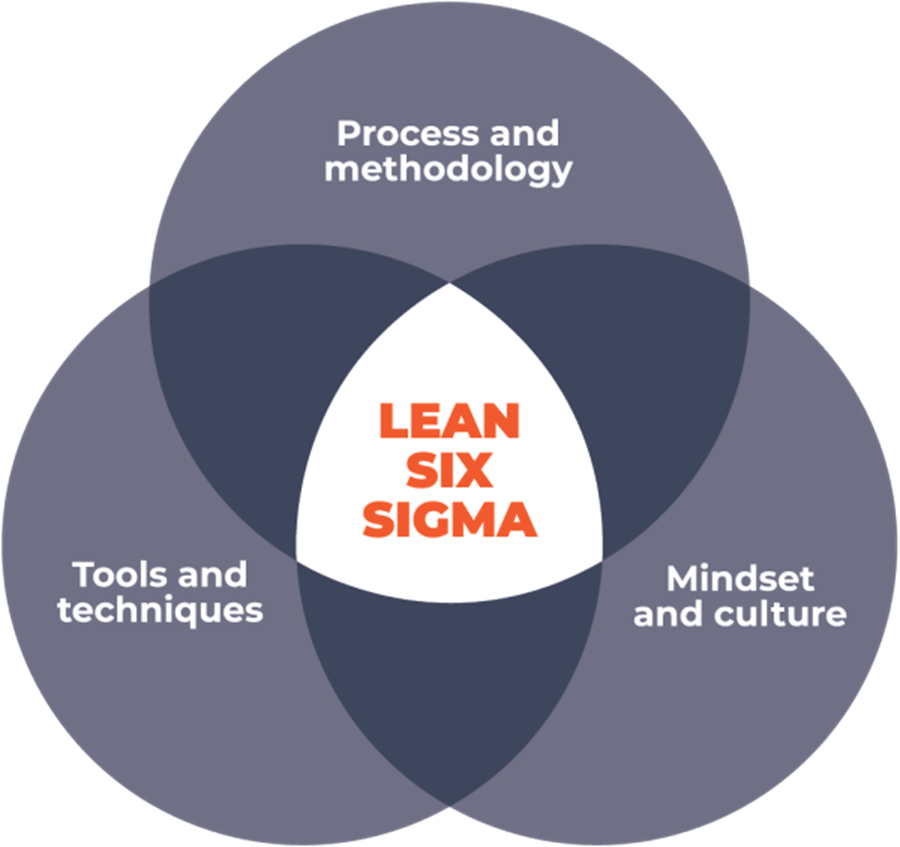
Deploying Lean Six Sigma across an organization is not simply a matter of training employees or launching isolated improvement projects. True deployment requires a deliberate, structured approach that aligns strategy, people, processes, and performance. When executed effectively, Lean Six Sigma becomes embedded in the organization’s culture, driving continuous improvement at every level. This transformation becomes even more impactful when paired with a system like CertificationPoint’s work experience builders and talent management platform, which connects process improvement efforts directly to workforce development and measurable outcomes.
At its foundation, Lean Six Sigma deployment is about creating a sustainable system for identifying inefficiencies, reducing variation, and delivering consistent value to customers. Organizations often begin with good intentions—sending employees to training, certifying belts, and initiating projects—but struggle to maintain momentum. The gap between knowledge and execution is where many deployments falter. Bridging that gap requires a clear deployment strategy, leadership commitment, and tools that support both execution and accountability.
A successful Lean Six Sigma deployment typically starts with strategic alignment. Leaders must define how process improvement supports the organization’s broader objectives. Whether the goal is reducing operational costs, improving customer satisfaction, or increasing throughput, Lean Six Sigma initiatives should be directly tied to these outcomes. Without this alignment, projects risk becoming disconnected efforts that fail to deliver meaningful impact.
CertificationPoint’s platform naturally reinforces this alignment by enabling organizations to map improvement projects to strategic goals. Through its work experience builders, employees can define project objectives in a structured way, ensuring that each initiative contributes to measurable business outcomes. This creates a clear line of sight between individual contributions and organizational success.
Once strategic alignment is established, the next step in deployment is building the right structure. Lean Six Sigma relies on a hierarchy of roles—Champions, Black Belts, Green Belts, and Yellow Belts—each with specific responsibilities. Champions provide leadership and remove barriers, Black Belts lead complex projects, and Green Belts support implementation while balancing their regular duties. This structure ensures that improvement efforts are both guided and executed effectively.
However, defining roles is not enough. Organizations must also ensure that individuals in these roles are actively engaged in meaningful work. CertificationPoint addresses this by providing a framework for documenting and validating real-world experience. Instead of simply holding a title, employees demonstrate their capabilities through recorded project work, creating accountability and transparency.
Training is another critical component of Lean Six Sigma deployment. Traditional training programs often focus heavily on theory, leaving participants unsure how to apply what they have learned. Effective deployment requires a balance between education and application. Employees should be introduced to concepts such as DMAIC (Define, Measure, Analyze, Improve, Control) and Lean principles, but they must also have opportunities to apply these concepts in real projects.
This is where CertificationPoint’s work experience builders play a transformative role. They provide a structured environment for applying Lean Six Sigma methodologies in practical settings. As employees work through each phase of DMAIC, they document their actions, decisions, and results. This not only reinforces learning but also creates a comprehensive record of experience that can be used for certification and career development.
Project selection is another key factor in successful deployment. Organizations must carefully choose projects that are both impactful and achievable. Early successes are particularly important, as they build confidence and demonstrate the value of Lean Six Sigma. Projects should address real business challenges, with clearly defined metrics and measurable outcomes.
CertificationPoint enhances project selection and execution by enabling organizations to track and evaluate projects within a centralized platform. Managers can monitor progress, assess impact, and ensure that resources are allocated effectively. This visibility helps maintain focus and prevents projects from losing momentum.
As projects are executed, data becomes the driving force behind decision-making. Lean Six Sigma emphasizes the importance of accurate, reliable data for assessing performance and identifying root causes. During deployment, organizations must establish systems for data collection, analysis, and reporting. Without these systems, improvement efforts can become subjective and inconsistent.
By integrating data tracking into its platform, CertificationPoint ensures that performance metrics are captured and linked to specific projects and individuals. This creates a data-rich environment where decisions are based on evidence rather than assumptions. It also allows organizations to measure the effectiveness of their Lean Six Sigma deployment in real time.
One of the most challenging aspects of deployment is sustaining improvements over time. Many organizations achieve initial success but struggle to maintain it. This often occurs because improvements are not fully integrated into daily operations. The Control phase of DMAIC is designed to address this, emphasizing standardization, monitoring, and continuous oversight.
CertificationPoint supports sustainability by embedding control mechanisms into its talent management framework. Performance data, project outcomes, and work experience records are continuously updated, providing ongoing visibility into process performance. This ensures that improvements are not only implemented but also maintained and refined.
Another critical element of Lean Six Sigma deployment is cultural transformation. For Lean Six Sigma to succeed, it must become part of the organization’s mindset. Employees at all levels should be encouraged to identify opportunities for improvement and take ownership of solutions. This requires a shift from reactive problem-solving to proactive, continuous improvement.
CertificationPoint facilitates this cultural shift by making improvement activities visible and rewarding. Employees can see how their contributions are documented and recognized, creating a sense of ownership and motivation. The platform also encourages collaboration, enabling teams to work together on projects and share insights.
Collaboration is particularly important in Lean Six Sigma deployment, as many processes span multiple departments. Cross-functional teams bring diverse perspectives and expertise, leading to more comprehensive solutions. CertificationPoint’s platform supports this by providing shared workspaces where team members can document progress, communicate, and track results.
From a leadership perspective, deploying Lean Six Sigma requires ongoing commitment and engagement. Leaders must not only support initiatives but also actively participate in them. They should review project progress, provide guidance, and ensure that resources are available. Leadership involvement signals the importance of Lean Six Sigma and reinforces its role in the organization.
CertificationPoint enhances leadership visibility by providing dashboards and reporting tools that highlight key metrics and project outcomes. Leaders can quickly assess the status of deployment efforts, identify areas for improvement, and make informed decisions. This level of insight is essential for maintaining momentum and achieving long-term success.
The integration of Lean Six Sigma with a talent management platform also addresses a common challenge: connecting process improvement with employee development. In many organizations, these areas are managed separately, leading to missed opportunities. By combining them, organizations can create a unified system where employees develop skills while contributing to business objectives.
CertificationPoint’s work experience builders enable this integration by capturing detailed records of project involvement. Employees can demonstrate their ability to define problems, analyze data, implement solutions, and sustain improvements. These records serve as evidence of competence, supporting certification and career advancement.
For organizations, this creates a powerful feedback loop. As employees develop their skills, they contribute to more effective process improvement initiatives. In turn, these initiatives drive better performance, creating additional opportunities for development. This cycle of improvement and growth is at the heart of successful Lean Six Sigma deployment.
Scalability is another important consideration. As organizations expand their Lean Six Sigma efforts, they must ensure that their approach remains consistent and effective. Standardized methodologies, templates, and tools are essential for maintaining quality across projects and teams.
CertificationPoint supports scalability by providing a consistent framework for documenting and managing projects. Templates for DMAIC phases, standardized metrics, and structured work experience records ensure that all initiatives follow best practices. This consistency enables organizations to scale their deployment without compromising quality.
For individuals, participating in a Lean Six Sigma deployment offers significant professional benefits. They gain hands-on experience with process improvement methodologies, develop analytical and problem-solving skills, and build a portfolio of documented achievements. CertificationPoint amplifies these benefits by providing a platform for showcasing this experience in a structured and credible way.
Getting started with Lean Six Sigma deployment does not require a perfect plan. Organizations can begin with a pilot program, focusing on a small number of projects and gradually expanding their efforts. The key is to establish a strong foundation, with clear objectives, defined roles, and supportive tools.
CertificationPoint’s platform makes this process more manageable by providing structure and guidance from the outset. Organizations can define projects, assign roles, track progress, and document outcomes within a single system. This reduces complexity and increases the likelihood of success.
In conclusion, deploying Lean Six Sigma is a multifaceted effort that requires alignment, structure, training, and cultural change. When done effectively, it creates a system for continuous improvement that drives both operational excellence and employee development. By integrating Lean Six Sigma with CertificationPoint’s work experience builders and talent management platform, organizations can bridge the gap between theory and practice.
This integration transforms Lean Six Sigma from a collection of tools into a dynamic, organization-wide capability. It ensures that improvement efforts are aligned with strategic goals, supported by data, and sustained over time. At the same time, it empowers employees to develop valuable skills and demonstrate their contributions.
Ultimately, the combination of Lean Six Sigma and CertificationPoint creates a powerful ecosystem—one where processes improve, people grow, and organizations achieve lasting success through continuous, measurable progress.